
Architecting Continuous Quality Gates for Agentic Pull Requests

As coding agents accelerate code synthesis, manual code reviews quickly become an engineering bottleneck. Implementing an Automated AI Code Review pipeline establishes deterministic CI/CD quality gates, detects hallucinated dependencies, and validates architectural boundaries before code ever reaches human reviewers or production environments.
Table of Contents
- The Code Review Bottleneck in the AI Era
- 5 Pillars of Automated AI Code Review
- Visualizing the Multi-Tier Review Pipeline
- Security, Dependency, and Hallucination Audits
- Frequently Asked Questions
- Conclusion & Next Steps
- Sources & Image Attributions
The Code Review Bottleneck in the AI Era
Generative coding models and autonomous agent swarms produce code at unprecedented velocity. However, faster generation often yields subtle logical regressions, edge-case vulnerabilities, and bloated diffs that overwhelm senior maintainers.
Treating machine-generated code with passive trust invites severe technical debt. Establishing an Automated AI Code Review protocol transforms code verification into an active, multi-layered filter.
Pairing automated validation gates with established paradigms like Clean Architecture and AI Code Quality Standards guarantees that development speed does not compromise long-term system stability.
5 Pillars of Automated AI Code Review
A production-grade automated review pipeline evaluates pull requests across five distinct engineering dimensions:
1. Workflow & Logic Correctness
Review agents simulate execution paths across complex application state. They verify whether mutations maintain idempotency, data flows match API contracts, and async race conditions are properly mitigated.
2. Framework Anti-Patterns & Bug Detection
Automated reviewers detect framework-specific pitfalls—such as Vue 3 reactivity loss, React hook dependency omission, or ORM N+1 query traps—flagging them with actionable refactoring diffs.
3. Security Vulnerabilities & Threat Modeling
AI review models check inputs for injection flaws (SQLi, XSS), audit authorization decorators on newly exposed endpoints, and ensure sensitive tokens or credentials are never committed.
4. Computational & Database Performance
Reviewers analyze algorithmic complexity ($O(n^2)$ loops) and verify that database queries on high-traffic routes utilize composite indexes.
5. Architectural Alignment & Clean Code
The system checks whether domain entities remain decoupled from presentation layers, enforcing strict separation of concerns across service boundaries.
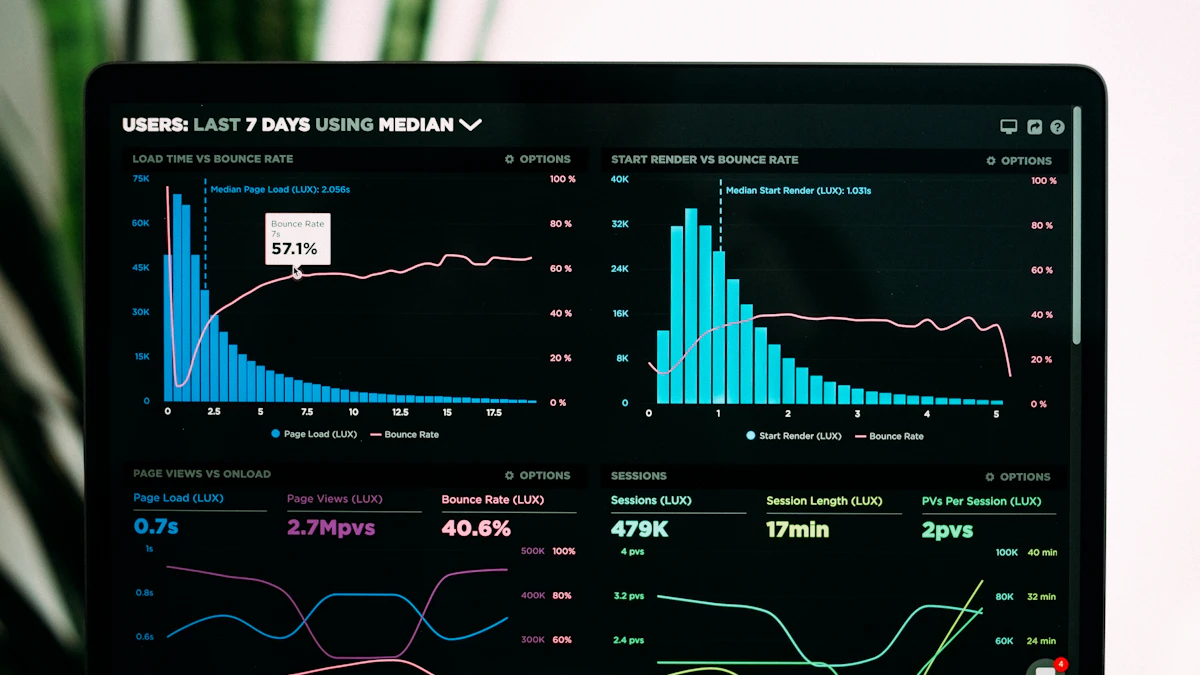
Visualizing the Multi-Tier Review Pipeline
A multi-tiered review architecture filters code changes systematically:
flowchart TD
    A["AI Coding Agent Generates PR"] --> B["Static Linters & Strict Type Checkers"]
    B -->|Fails Checks| C["Auto-Reject / Agent Self-Healing Loop"]
    B -->|Passes Checks| D["Automated AI Review Agent (Logic & Security)"]
    D -->|Flags Vulnerabilities| C
    D -->|Approved| E["Unit, Integration & Regression Tests"]
    E -->|Passes All| F["Human Staff Engineer Final Review"]
F --> G["Merge to Main & Deploy"]Always configure automated package registry validation in CI. Coding agents can hallucinate non-existent package names that malicious actors register as malware vectors (package hallucination attacks).
Security, Dependency, and Hallucination Audits
Beyond syntax checks, automated AI code reviews enforce essential security protocols:
- Dependency Pinning: Verify every new third-party dependency against known CVE databases and lockfile hashes.
- OWASP LLM Compliance: Scan PRs for prompt injection vulnerabilities and unsafe reflection calls.
- Strict Human-in-the-Loop Thresholds: Changes touching authentication, payments, or cryptographic logic must automatically require mandatory human sign-off.
Frequently Asked Questions
Can an AI review agent replace human code reviews entirely?
No. AI review agents eliminate 80% of routine verification overhead (syntax, types, common security traps), but senior engineers are still essential for evaluating business domain alignment and broad architectural strategy.
How do we prevent AI code review tools from producing false positives?
Ground the review agent with explicit repository context, coding guidelines, and custom linters. Limit the agent's scope to high-confidence security, architectural, and performance rules.
How does automated review integrate with local developer environments?
Teams use CLI agents and Model Context Protocol (MCP) servers to run automated reviews locally inside IDEs before creating remote pull requests.
Conclusion & Next Steps
Adopting autonomous development workflows requires robust quality assurance. By deploying an Automated AI Code Review pipeline, engineering organizations harness machine velocity while preserving software resilience and code elegance.
At Masri Systems, we architect resilient digital platforms, custom software backends, and automated engineering workflows. Explore our specialized Software Development and Website Architecture solutions to scale your technical infrastructure.
Sources & Image Attributions
- Header Image: Developer working on code review by Caspar Camille Rubin on Unsplash
- Body Image: Software metrics dashboard by Luke Chesser on Unsplash
Follow Masri Systems on Google
Add us as a preferred source in Google Search.
Related Articles & Guides
AI Agent Workflow Automation: Curated 123-Tool Stack
Curated directory of 123 open-source AI agent frameworks, MCP servers, and developer tools for production AI agent workflow automation and autonomous systems.
Free Developer Certifications: 5 High-Impact Courses & Badges
5 verifiable free developer certifications and coding courses from Postman, Google Cloud, DeepLearning.AI, and freeCodeCamp to elevate your engineering resume.
Geschäftsprozesse automatisieren: 17 Scheduled Tasks der Agentur
Wie Masri Systems 17 autonome Agenten-Jobs, Sidecars und Cron-Tasks einsetzt, um Geschäftsprozesse im Entwickler-Alltag wartungsfrei zu automatisieren.
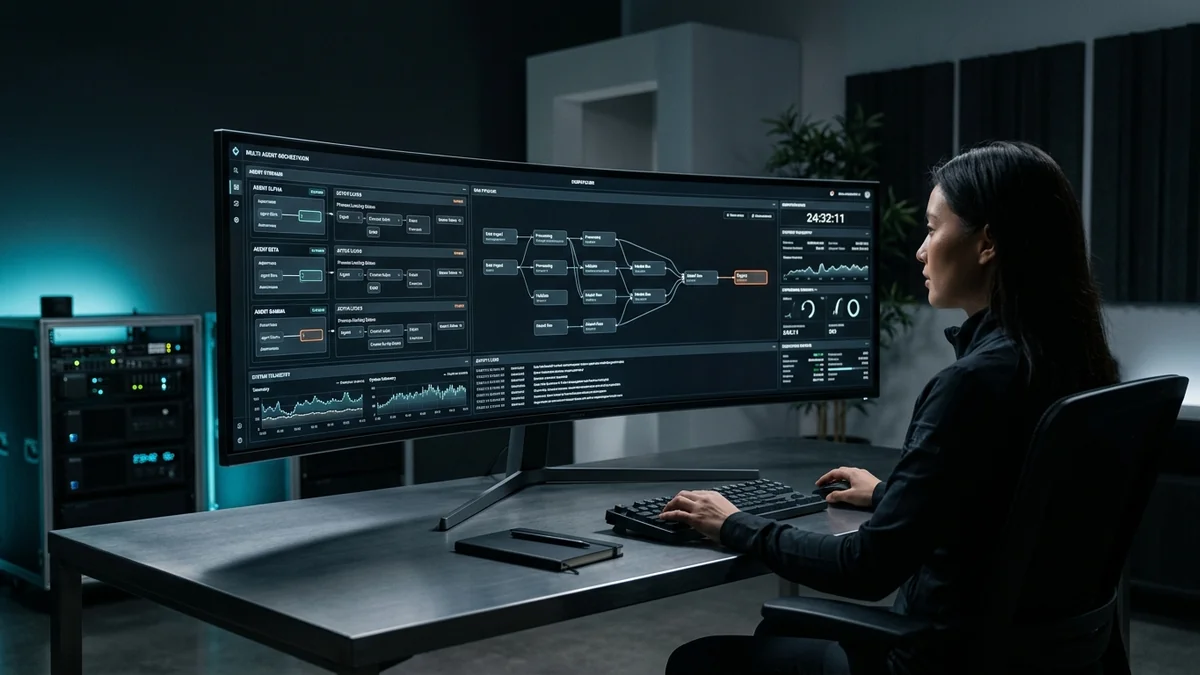
Command Center: Autonome KI Agenten Geschäftsprozesse KMU steuern
Autonome KI Agenten Geschäftsprozesse KMU: Steuern Sie Gemini, Codex und Claude parallel in einem sicheren VILT Stack Command Center mit OS-Locking.

Sectors of Computer Science & Software Engineering
Explore the primary disciplines of computer science, tech career paths, software engineering specialization tracks, and modern developer tooling.
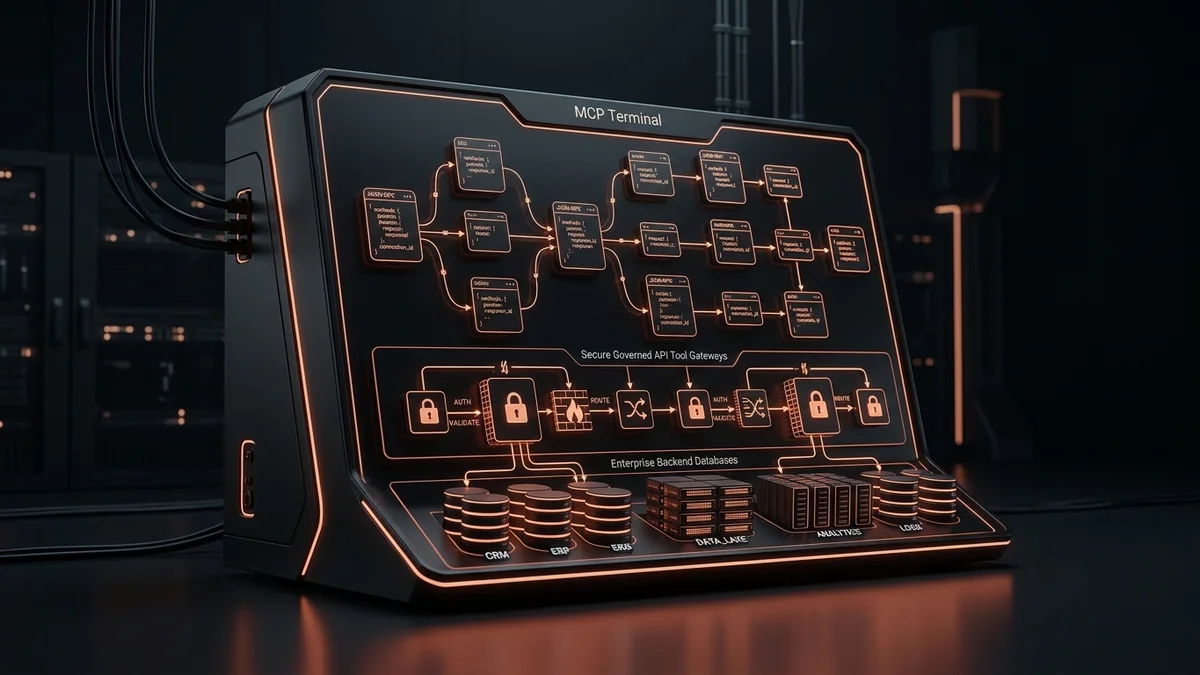
Custom MCP Server Development: Give AI Agents Real Business Access
Custom MCP Server Development connects Claude, ChatGPT, and Gemini to your actual business systems — securely, without duct-taped API hacks.

Portable AI Agent Skills: One Skill, Every Model
Stop rewriting the same AI agent workflow for Claude, Gemini, and Codex. Build portable skills once with AI Agent Workflow Automation and sync everywhere.

Openship: A Self-Hosted Deployment Platform With No CI/CD Pipeline
Openship is an Apache 2.0 self-hosted deployment platform that skips CI/CD YAML. What v0.6.7 does well, and why pre-1.0 status should shape your rollout.