
Engineering Scalable Development Systems with MCP in 2026
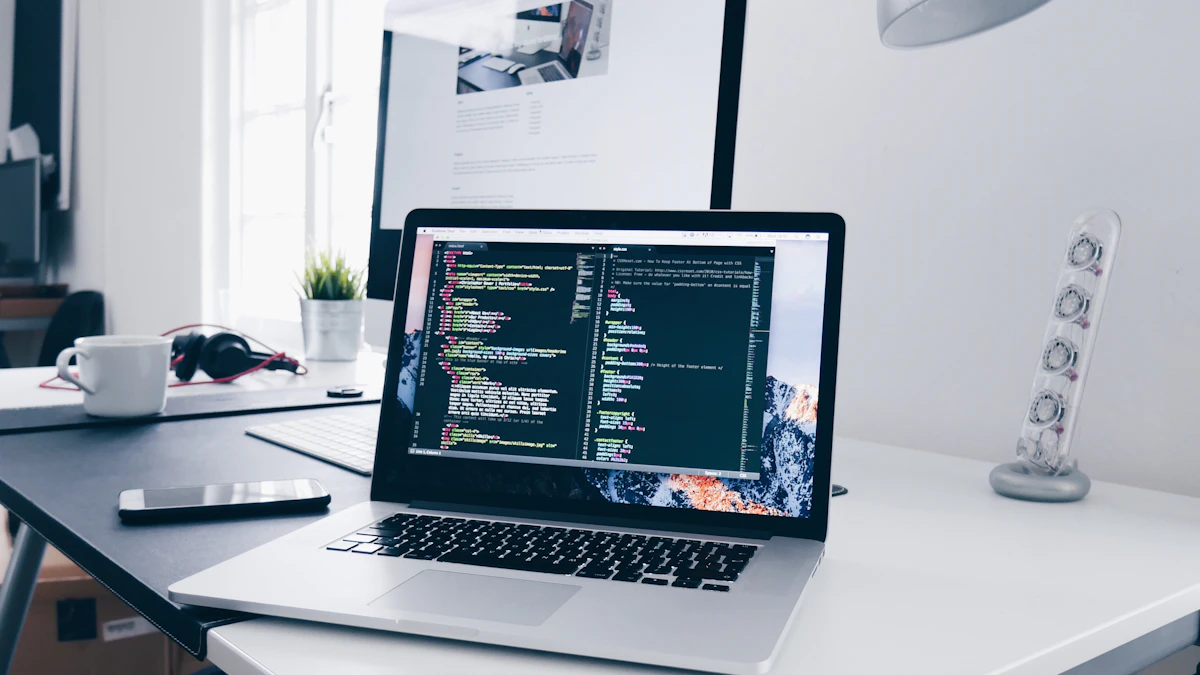
Software development is evolving from manual scripting to high-level system orchestration. Architecting Autonomous AI Workflows with the Model Context Protocol (MCP) enables engineering teams to connect distributed tools, decouple complex tasks into specialized sub-agents, and automate end-to-end feature delivery.
Table of Contents
- The Transition to Autonomous Engineering Workflows
- 4 Pillars of Scalable Autonomous AI Workflows
- Visualizing the MCP-Driven Workflow Ecosystem
- Standardizing Tool Discovery with Model Context Protocol (MCP)
- Frequently Asked Questions
- Conclusion & Next Steps
- Sources & Image Attributions
The Transition to Autonomous Engineering Workflows
Early implementations of developer AI relied on single-turn conversational prompts. While useful for quick syntax queries, they required developers to manually copy-paste code snippets, execute terminal commands, and reconcile file diffs.
In 2026, modern software teams operate with Autonomous AI Workflows. Developers define system requirements and architectural constraints, while autonomous agents query databases, modify multi-file repositories, execute build scripts, and verify integration tests independently.
Combining autonomous workflows with established architectural principles like Clean Architecture and personal knowledge bases like OmniVault AI The Developers Second Brain enables teams to deliver software at unprecedented speed.
4 Pillars of Scalable Autonomous AI Workflows
Building resilient autonomous workflows requires mastering four foundational practices:
1. Granular Task Decomposition
Never ask a single agent to implement an entire feature in one monolithic pass. Deconstruct complex features into modular, sequential stages: domain modeling, database migration, API routing, frontend component design, and integration testing.
2. Standardized Tool Access via MCP
The Model Context Protocol (MCP) acts as the universal standard for tool connectivity. By exposing database schemas, local file systems, and CI/CD tools through standardized MCP servers, agents access verified system state securely.
3. Continuous Feedback & Self-Correction Loops
Equip workflow agents with immediate verification mechanisms. Giving agents access to linter output and test runners enables them to diagnose compilation errors and self-correct before creating pull requests.
4. Zero-Trust Security & Gatekeeping
Maintain strict human-in-the-loop validation for high-risk operations. Deploy automated SAST security scans and ensure sensitive database mutations require explicit manual approval.

Visualizing the MCP-Driven Workflow Ecosystem
The Model Context Protocol unifies developer intent, AI models, and local developer toolchains:
flowchart TD
    A["Developer Inputs System Spec"] --> B["Orchestrator Agent"]
    B --> C{"MCP Router & Protocol Gateway"}
    C -->|File System Tool| D["Local Repository & Source Code"]
    C -->|Database Tool| E["PostgreSQL / Redis Staging DB"]
    C -->|Terminal Tool| F["Test Runner & Compiler (Pest / Jest)"]
    D --> G["Automated AI Code Review Gate"]
    E --> G
    F --> G
G --> H["Merge to Main & Deploy"]Break complex workflows into distinct prompt stages with explicit input/output schemas. When agents pass structured JSON state between workflow steps, reasoning errors drop by over 60%.
Standardizing Tool Discovery with Model Context Protocol (MCP)
Before MCP, connecting AI models to tools required bespoke integrations for every framework. MCP standardizes this layer:
- Language Agnostic: Expose backend services written in PHP, Go, Python, or TypeScript through standard JSON-RPC interfaces.
- Dynamic Tool Discovery: Agents inspect available tools at runtime, dynamically calling endpoints based on immediate task needs.
- Safe Sandboxing: MCP servers enforce permission boundaries, ensuring models cannot read unauthorized directories or execute unvetted shell commands.
Frequently Asked Questions
What is the difference between an AI copilot and an autonomous AI workflow?
A copilot offers reactive, inline code completions within an active editor. An autonomous AI workflow is a goal-oriented system that plans, modifies multiple files, executes terminal tools, and verifies tests independently.
How does the Model Context Protocol (MCP) improve developer velocity?
MCP provides a unified standard for connecting AI agents to local repositories, databases, and APIs, eliminating custom integration glue code and reducing context-switching friction.
Are autonomous workflows safe for production codebases?
Yes, when paired with strict CI/CD verification gates, sandboxed execution environments, and mandatory human review for production merges.
Conclusion & Next Steps
Adopting Autonomous AI Workflows transforms software development from manual syntax composition into strategic system orchestration. By leveraging MCP and modular multi-agent pipelines, engineering teams build faster, more resilient applications.
At Masri Systems, we architect high-performance digital platforms and custom automation systems. Explore our specialized Software Development and Website Architecture solutions to see how we build scalable digital infrastructure for modern enterprises.
Sources & Image Attributions
- Header Image: Developer working at desk with laptop by Christopher Gower on Unsplash
- Body Image: Engineers collaborating on software architecture by Annie Spratt on Unsplash
Follow Masri Systems on Google
Add us as a preferred source in Google Search.
Related Articles & Guides
AI Agent Workflow Automation: Curated 123-Tool Stack
Curated directory of 123 open-source AI agent frameworks, MCP servers, and developer tools for production AI agent workflow automation and autonomous systems.
Free Developer Certifications: 5 High-Impact Courses & Badges
5 verifiable free developer certifications and coding courses from Postman, Google Cloud, DeepLearning.AI, and freeCodeCamp to elevate your engineering resume.
Geschäftsprozesse automatisieren: 17 Scheduled Tasks der Agentur
Wie Masri Systems 17 autonome Agenten-Jobs, Sidecars und Cron-Tasks einsetzt, um Geschäftsprozesse im Entwickler-Alltag wartungsfrei zu automatisieren.
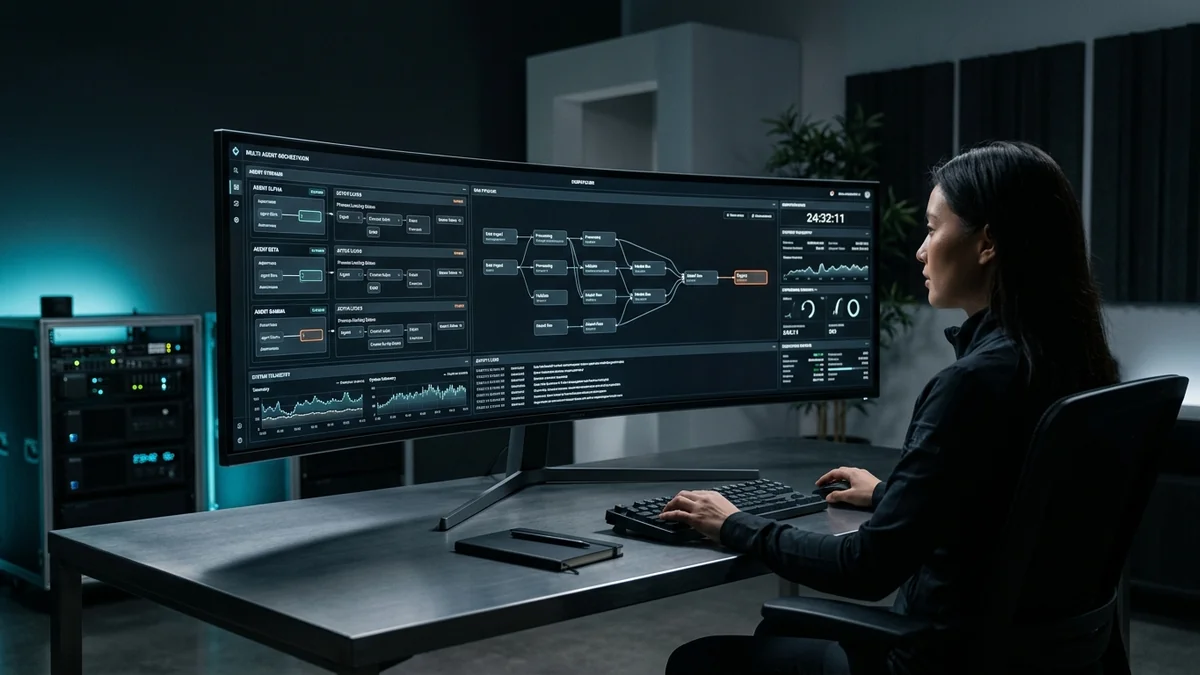
Command Center: Autonome KI Agenten Geschäftsprozesse KMU steuern
Autonome KI Agenten Geschäftsprozesse KMU: Steuern Sie Gemini, Codex und Claude parallel in einem sicheren VILT Stack Command Center mit OS-Locking.

Sectors of Computer Science & Software Engineering
Explore the primary disciplines of computer science, tech career paths, software engineering specialization tracks, and modern developer tooling.
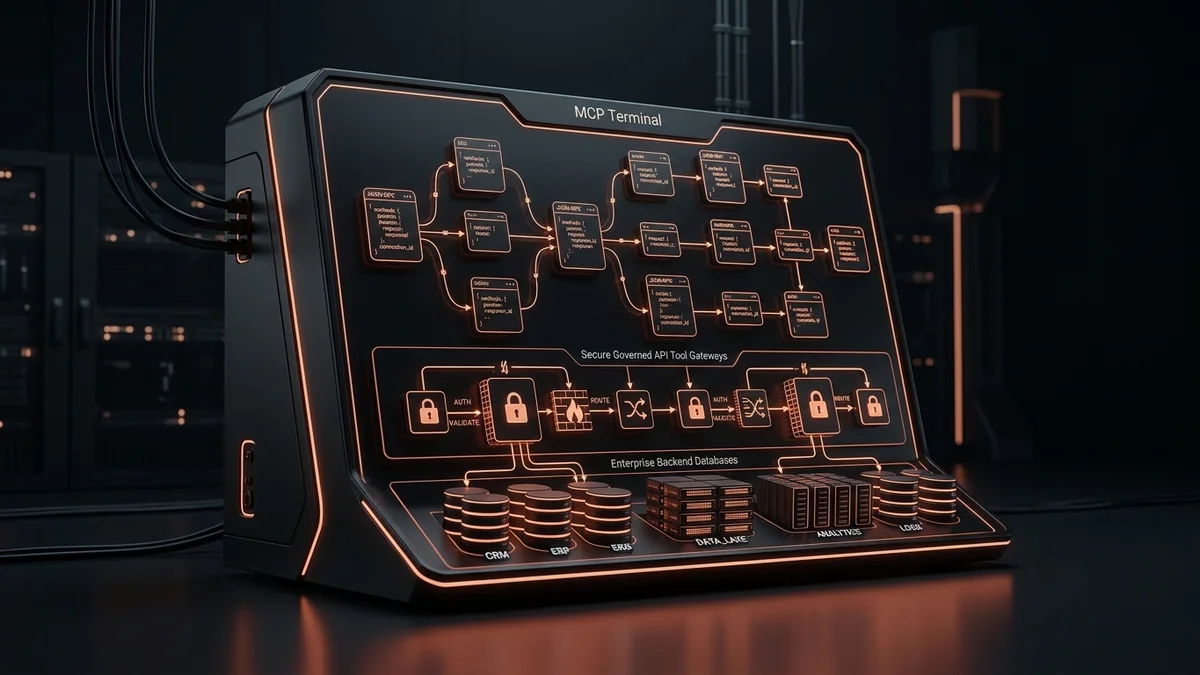
Custom MCP Server Development: Give AI Agents Real Business Access
Custom MCP Server Development connects Claude, ChatGPT, and Gemini to your actual business systems — securely, without duct-taped API hacks.

Portable AI Agent Skills: One Skill, Every Model
Stop rewriting the same AI agent workflow for Claude, Gemini, and Codex. Build portable skills once with AI Agent Workflow Automation and sync everywhere.

Openship: A Self-Hosted Deployment Platform With No CI/CD Pipeline
Openship is an Apache 2.0 self-hosted deployment platform that skips CI/CD YAML. What v0.6.7 does well, and why pre-1.0 status should shape your rollout.