
11 Modern UI Design Trends Shaping High-Converting Web Products
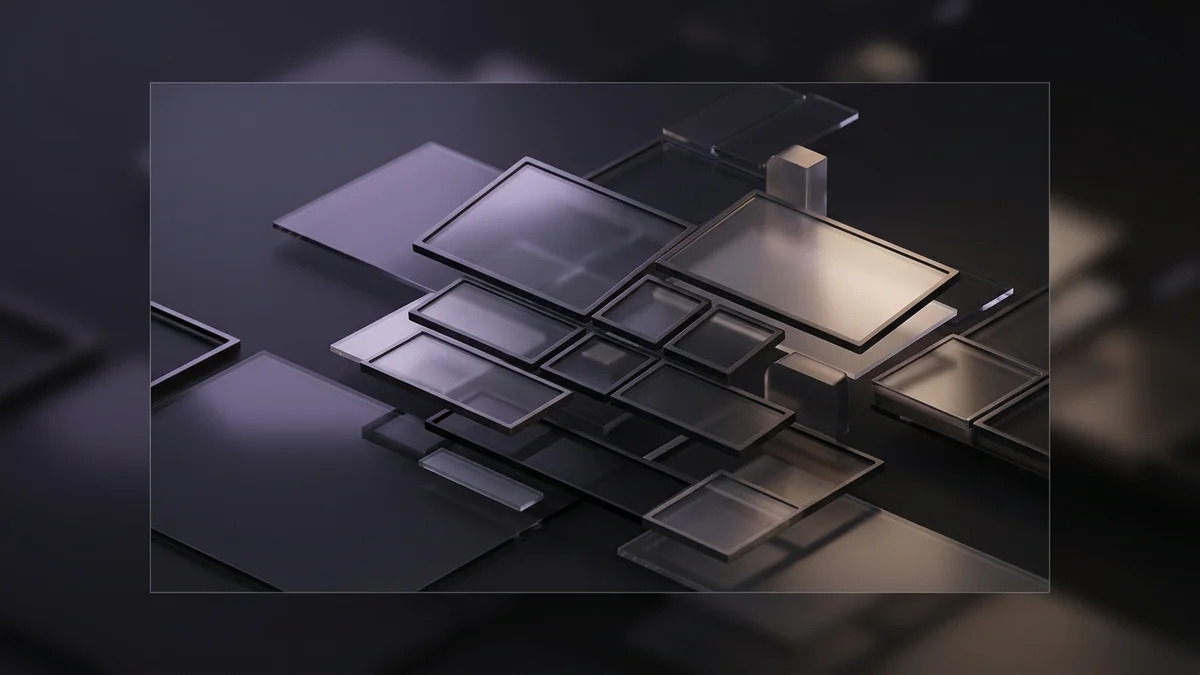
Modern user interface design connects brand identity with seamless usability. Mastering the landscape of modern UI design trends—from high-density Bento grids and Linear-inspired Minimal Dark themes to Spatial UI and Glassmorphism—enables teams to build intuitive digital products that maximize user engagement and conversion rates.
Table of Contents
- The Evolution of Modern Web Aesthetics
- The 11 Definitive Modern UI Design Trends
- Decision Architecture: Choosing Your Visual Direction
- Engineering & Usability Guardrails
- Frequently Asked Questions
- Conclusion & Next Steps
- Sources & Image Attributions
The Evolution of Modern Web Aesthetics
Interface design is a powerful driver of user retention and conversion velocity. Over the past decade, web interfaces evolved from skeuomorphism to flat minimalism, and now into depth-aware, performance-driven environments.
Today's modern UI design trends reflect high-density retina displays and modern CSS capabilities (backdrop-filter, container queries, subgrid). Selecting the right visual paradigm for your Website Architecture or Vue.js project directly elevates product credibility.
The 11 Definitive Modern UI Design Trends
Here is an analysis of the 11 key design styles defining contemporary web and application development:
1. Minimalistic
Strips away non-essential UI elements to prioritize clear typography, purposeful whitespace, and content hierarchy. Reduces cognitive friction during complex workflows.
- Best for: Enterprise SaaS, developer documentation, and publishing platforms.
2. Neomorphism (Soft UI)
Creates soft, extruded plastic appearances using dual inner and outer drop shadows on monochromatic backgrounds.
- Best for: Smart home controllers, audio sliders, and lightweight utilities.
3. Glassmorphism
Features multi-layered translucent surfaces, frosted-glass background blurs (backdrop-filter: blur()), and subtle 1px border highlights.
- Best for: Floating navigation docks, overlay modals, and checkout panels in E-commerce Platform Ideas.
4. Claymorphism
An evolution of 3D UI featuring rounded geometries, inflated pill shapes, and friendly pastel color palettes with dual soft shadows.
- Best for: EdTech platforms, gamified onboarding, and consumer mobile apps.
5. Skeuomorphism 2.0 (Tactile Realism)
Blends realistic micro-textures (subtle grain, brushed metal) with modern flat layouts, evoking craftsmanship without visual clutter.
- Best for: Luxury brand showcases, bespoke fintech cards, and creative tooling.
6. Neo-Brutalism
Embraces high-contrast solid borders (2px–4px black strokes), asymmetrical block layouts, raw typography, and vibrant accent colors.
- Best for: Developer tools, creator economies, and high-energy marketing campaigns.
7. Bento Grid UI
Organizes distinct data points and features into modular, asymmetric card containers inspired by dashboard tile structures.
- Best for: Feature overviews, analytical dashboards, and portfolio showcases.
8. Aurora UI
Incorporates smooth, organic fluid gradients that diffuse across dark or light backdrops, creating ambient depth behind sharp components.
- Best for: AI landing pages, tech interfaces, and creative headers.
9. Flat 2.0
Retains the speed of traditional flat design while reintroducing subtle micro-shadows and contextual elevation to clarify interactive affordances.
- Best for: High-volume web portals and enterprise web applications.
10. Spatial UI
Leverages multi-plane Z-axis layering, focal depth, and reactive illumination that responds to user navigation.
- Best for: Immersive web applications, 3D configurators, and interactive visualizations.
11. "Linear / Vercel" Minimal Dark
Ultra-dark charcoal/zinc backdrops, precise 1px hairline borders (border-zinc-800), glowing gradient badges, and monospaced micro-copy.
- Best for: B2B developer platforms, cloud tools, and API dashboards.

Decision Architecture: Choosing Your Visual Direction
Selecting an aesthetic must be driven by your target persona, accessibility standards, and product goals:
flowchart TD
    Start["Primary Product Goal?"] --> Utility{"Complex Data & Workflow?"}
    Start --> Marketing{"High-Energy Brand?"}
    Start --> Tactile{"Sensory Polish?"}

    Utility -- "Yes" --> B2B["Minimal Dark / Bento Grid / Flat 2.0"]
    Marketing -- "Yes" --> Vibrant["Neo-Brutalism / Aurora UI"]
Tactile -- "Yes" --> Depth["Glassmorphism / Skeuomorphism 2.0 / Spatial"]Never mix more than two distinct UI styles on the same screen. Pair a structural baseline (Bento Grid or Minimal Dark) with an accent layer (Glassmorphism cards or Aurora glow) to maintain visual hierarchy.
Engineering & Usability Guardrails
When engineering these aesthetics into production codebases, keep three core rules in mind:
- WCAG 2.1 AA Contrast Compliance: Neomorphic and glassmorphic elements must maintain a minimum 4.5:1 text contrast ratio.
- GPU Performance Optimization: Limit excessive CSS
backdrop-filterand animated radial gradients to prevent mobile frame drops. - Responsive Container Scaling: Leverage CSS Grid and fluid layout tokens so asymmetric bento boxes stack cleanly on mobile viewports.
Frequently Asked Questions
Which UI design trend delivers the highest conversion rates?
For direct-response landing pages and e-commerce, Flat 2.0 and Bento Grid layouts consistently outperform heavy-effect styles by reducing cognitive load and highlighting primary Calls to Action.
Is Glassmorphism performant on low-end mobile devices?
When used sparingly on fixed navigation or modals, glassmorphism performs well. However, cascading backdrop blur filters across long scrollable lists can cause frame drops and battery drain.
How do I choose between Neo-Brutalism and Linear Minimal Dark?
Choose Neo-Brutalism if your brand values irreverence, disruption, and bold youth culture. Choose Linear Minimal Dark if your product targets engineers, founders, and enterprises seeking precision and speed.
Conclusion & Next Steps
A thoughtfully crafted interface communicates authority immediately. By aligning your application architecture with purposeful modern UI design trends, you turn standard pages into high-converting digital assets.
Looking to build a high-performance web platform or overhaul your existing application UI? Explore our Clean Architecture and Website Architecture services to bring engineering rigor to your digital presence.
Sources & Image Attributions
- Header Image: Web Design Wireframe by Sigmund on Unsplash
- Body Image: Developer coding workspace by Christopher Gower on Unsplash
Follow Masri Systems on Google
Add us as a preferred source in Google Search.
Related Articles & Guides
The New Masri Systems Logo: Brand Identity for Custom Website Design
Explore the engineering and design philosophy behind the new Masri Systems logo mark, custom website design systems, and architectural identity.
Webdesign Portfolio Inspiration
Discover top webdesign portfolio inspiration. Explore curated developer showcases, creative agency landing pages, and best practices for conversion and UI.

Was ist eine Homepage Erklärung
Was ist eine Homepage Erklärung: Erfahren Sie den entscheidenden Unterschied zur Website, die 3 Kernaufgaben einer Startseite und den perfekten Seitenaufbau.
WCAG 2.1 Web Accessibility: Complete Level AA Compliance
Master WCAG 2.1 web accessibility compliance. Comprehensive Level AA guide covering Perceivable, Operable, Understandable, and Robust principles.

Vue JS Application Architecture
Master Vue JS application architecture. Comprehensive scaffolding guide covering TypeScript interfaces, modular directory structure, Pinia, and VueUse.

Vite Build Performance Optimization
Master Vite build performance optimization. Learn how to eliminate barrel file bottlenecks, configure dynamic code splitting, and optimize Rollup bundles.
VILT Stack Webentwicklung Agentur
VILT Stack Webentwicklung Agentur für skalierbare Web-Apps & SaaS. Erfahren Sie, warum die Kombination aus Vue.js, Inertia.js, Laravel und Tailwind CSS.
TypeScript SaaS Architecture: Building a Production
Master TypeScript SaaS architecture. Learn how to architect full-stack subscription platforms with Next.js, Clerk authentication, Stripe billing, and.